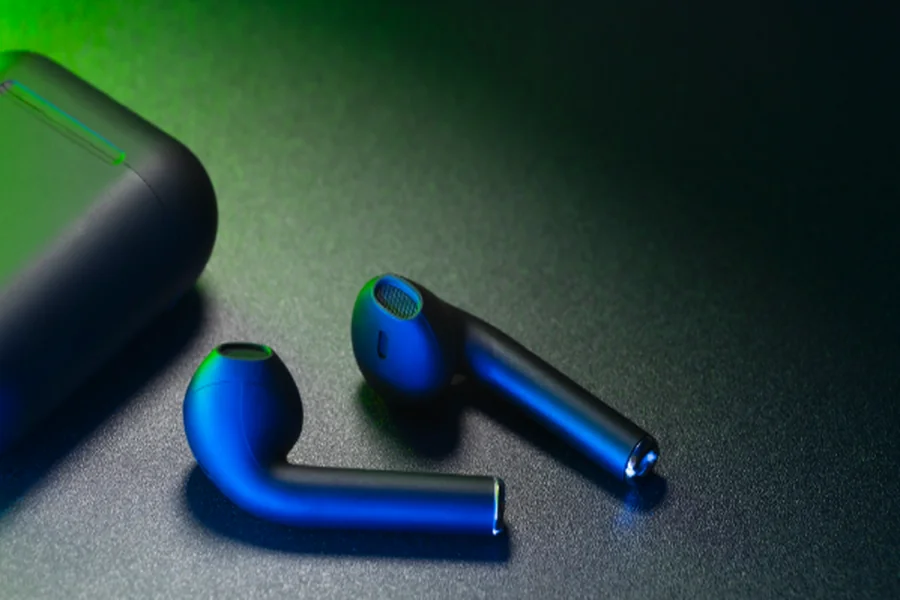
Bluetooth earphones are often used for more than listening to music. For many people, they have become a convenient way to handle phone calls, online meetings, voice messages and work conversations without holding a phone or sitting directly in front of a computer microphone. Those looking to upgrade their listening experience can explore Bluetooth earphones at Gain City to find options suited to their everyday communication and entertainment needs.
Yet good audio for listening does not necessarily mean good call quality. A pair of Bluetooth earphones might produce clear music while making your voice sound distant, muffled or difficult to understand during a conversation. The microphone plays a major role in this difference.
Why the Microphone Matters
When you listen through earphones, the speakers inside the earbuds are responsible for delivering sound to you. During a call, the microphones perform the opposite job. They pick up your voice and transmit it to the other person.
Microphone placement, microphone sensitivity and the earphones’ software all influence how your voice reaches the person on the other end.
A microphone that picks up your voice clearly makes conversations easier, particularly when you are speaking for several minutes. Poor microphone performance often becomes more noticeable in busy environments, where surrounding sounds compete with your voice.
More Microphones Do Not Automatically Mean Better Calls
Many modern wireless earphones use more than one microphone. Having multiple microphones gives the device more information about surrounding sounds and your voice.
This setup supports features such as noise reduction and voice processing. The earphones can identify aspects of the sound environment and process the microphone signal before sending it to the person you are speaking with.
The number of microphones alone is not enough to determine call quality, though. Their placement, tuning and software processing also matter.
Two pairs of Bluetooth earphones with similar microphone counts can therefore perform differently during calls.
Background Noise Can Be a Challenge
A quiet room provides relatively easy conditions for a microphone. Busy streets, public transport, cafés and offices are more demanding.
Air conditioning, conversations, traffic and keyboard sounds can all reach the microphones. Some earphones use noise reduction technology to reduce the amount of background sound transmitted during calls.
Good noise processing should make your voice easier to follow without making it sound unnatural. Excessive processing sometimes creates a different problem, where parts of speech become clipped or the voice takes on an artificial quality.
Wind Noise Is Particularly Difficult
Wind is another issue worth considering. Even a relatively small amount of wind can create strong noise when it reaches an exposed microphone.
This becomes noticeable when you are walking outdoors, cycling or standing in an open area. Wind protection and microphone positioning influence how much of this noise reaches the call.
If outdoor calls are part of your routine, reviews that specifically test microphones outside can provide more useful information than general sound-quality reviews.
Earbud Fit Still Has a Role
The fit of Bluetooth earphones affects more than comfort. It can also influence how consistently the microphones pick up your voice and how well you hear the other person.
Poorly fitting earbuds might feel loose or require frequent adjustment. If the microphone is positioned differently each time the earphone moves, voice pickup can also vary.
In-ear models with silicone tips create a different experience from open-fit designs. Neither approach is automatically suitable for everyone. The right choice depends on comfort, ear shape and how you intend to use the earphones.
Bluetooth Connection Quality Matters Too
A good microphone cannot compensate for every connection problem. Bluetooth earphones rely on a wireless connection between the earbuds and the connected device.
If the connection becomes unstable, calls might experience interruptions, dropouts or changes in audio quality.
The phone or computer also matters. Compatibility between the earphones and the device, operating system behaviour and the calling application can all influence the overall experience.
Call Quality and Music Quality Are Different
One of the easiest mistakes when choosing earphones is focusing entirely on music playback.
Features such as bass response, soundstage and audio codecs are useful when listening to music. They do not tell you everything about how your voice will sound to someone else during a call.
Call quality depends on the microphone system and the way the earphones process outgoing audio. Some models are designed with voice communication in mind, while others place greater emphasis on listening.
Battery Life Matters During Long Calls
A pair of earphones might have enough battery for occasional calls but become inconvenient during a full working day.
Long meetings place greater demands on the battery than short phone conversations. Noise control features and other active functions can also affect battery consumption.
Charging cases provide additional battery capacity, but there is still a practical difference between earphones that need frequent charging and those that comfortably cover your normal schedule.

Controls Should Be Easy to Use
Call-related controls are another practical consideration. Being able to answer a call, end it or mute the microphone without reaching for the phone can make wireless earphones more convenient.
Touch controls and physical buttons each have their advantages. Touch surfaces can be quick to operate, while physical buttons provide more obvious feedback.
The important point is whether the controls work reliably and are easy to use without accidental touches.
Think About the Environment You Use Them In
The best Bluetooth earphones for calls depend partly on where those calls take place.
Someone working mainly from a quiet bedroom or home office might have fewer microphone challenges than someone who takes calls while travelling around the city.
If you normally work in a quiet environment, comfort, battery life and connection stability might receive more attention. If you frequently make calls outdoors, microphone noise handling and wind performance are more important.
For shared offices, noise suppression and voice clarity deserve closer consideration.
How to Test Bluetooth Earphones for Calls
Testing the microphone before committing to a pair is useful when possible. Make a short recording or call someone and ask how your voice sounds.
Try speaking from a quiet room first. Then test the earphones in a location with moderate background noise. Listen for whether your voice remains clear, whether words are cut off and whether background sounds become distracting.
Pay attention to how the earphones feel after extended use as well. A microphone that sounds excellent does little good if the earbuds become uncomfortable after an hour.
Reviews can help, but personal testing remains useful because ears, voices, phones and environments differ.
Final Thoughts
Bluetooth earphones have become practical tools for communication as well as personal listening. When calls are an important part of your day, microphone quality deserves careful consideration.
Clear voice pickup, effective handling of background noise, stable Bluetooth connectivity and a comfortable fit all contribute to a better calling experience. Battery life and easy controls matter too, particularly for people who spend long periods in meetings.