Learning to swim as an adult can feel intimidating, especially if previous experiences have made you uncomfortable around water. Some people worry about putting their face underwater, losing their footing or being unable to reach the pool edge. Others simply never had the opportunity to learn when they were younger.
These concerns are more common than many people realise. Swimming is a skill that can be developed at different stages of life, and there is no age limit for starting. With patient instruction and regular practice, adults can gradually become more comfortable in the water while developing the techniques needed to swim safely.
Adult swimming lessons in Singapore provide a structured way to work towards these goals. Whether you are a complete beginner or someone who wants to improve an existing technique, choosing the right programme can make the learning process more manageable. Before enrolling, refer to this guide to adult swimming lessons fees & schedule in Singapore to understand the available options and plan your lessons.
Understanding Why Adults Feel Anxious Around Water
Water anxiety can develop for different reasons. Some adults have experienced a frightening incident in a swimming pool or at the beach. Others grew up without swimming lessons and feel uncertain because they do not know how to control their movements in the water.
The fear is not always related to a specific event. Deep water, unfamiliar pool environments and the sensation of floating without firm support can make some people uneasy. Concerns about embarrassment can also discourage adults from joining lessons, particularly when they assume everyone else will already have some swimming ability.
Recognising these concerns is an important first step. Learners should not feel pressured to hide their discomfort or keep up with more experienced swimmers. A suitable instructor will take the time to understand each person’s starting point and introduce exercises at a manageable pace.
Starting with Water Familiarisation
For adults who are uncomfortable in the water, the first lessons should focus on building familiarity rather than immediately attempting full swimming strokes.
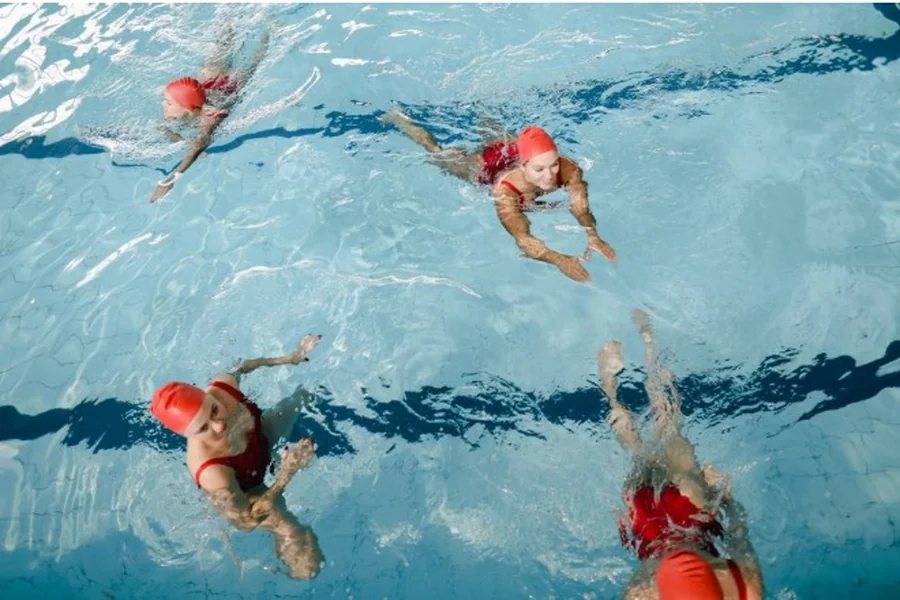
Simple activities help learners become accustomed to the pool environment. These might include standing in shallow water, holding the pool edge, walking through the water and practising controlled breathing. Gradually, students can work towards placing their faces underwater and learning how to exhale without holding their breath.
Breathing is particularly important because anxiety often causes people to tense their bodies or take rapid, shallow breaths. Learning to breathe steadily helps make basic movements feel more controlled.
Floating exercises may follow once the learner feels ready. With an instructor providing guidance and support, students practise relaxing their bodies and understanding how buoyancy works. These early skills create a foundation for more advanced movements.
There is no need to rush through this stage. Someone who feels secure in shallow water is generally better prepared to progress than a learner who attempts difficult exercises before developing confidence.
Learning Basic Swimming Techniques Step by Step
Once learners become more comfortable, lessons can introduce the movements involved in swimming. Instructors usually break these techniques into smaller exercises so students can focus on one skill at a time.
Kicking practice helps develop leg movement and body positioning. Beginners may start while holding the pool edge or using suitable flotation equipment under supervision. Arm movements are then introduced, followed by exercises that combine the movements with breathing.
Freestyle is often one of the first strokes taught to adult beginners. It requires coordination between the arms, legs, body position and breathing. At first, these movements may feel unfamiliar, but repeated practice helps students develop a more consistent rhythm.
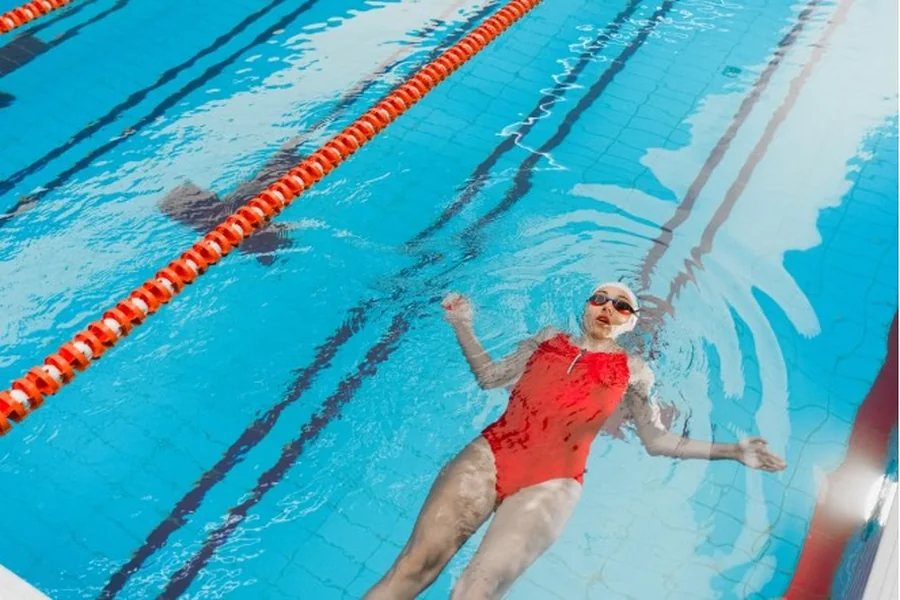
Other strokes, such as breaststroke and backstroke, may be introduced as skills improve. The order depends on the programme and the learner’s progress. A good instructor will focus on proper technique rather than expecting students to cover several strokes within a short period.
Why Patient Instruction Makes a Difference
Adults often have specific concerns that require a different teaching approach from lessons designed for children. Some want to overcome a fear of water, while others are comfortable in a pool but lack confidence when they cannot touch the bottom.
An experienced instructor should be able to recognise these differences and adjust the lesson accordingly. Clear demonstrations, manageable exercises and constructive feedback help learners understand what they are doing correctly and where improvements are needed.
Class size is worth considering as well. Smaller groups generally give instructors more opportunities to observe individual movements and provide corrections. Private lessons may suit adults who prefer more direct attention or feel uncomfortable learning in a group.
Before enrolling, ask whether the instructor has experience teaching adults with little or no swimming ability. A programme that welcomes complete beginners is more likely to provide an appropriate starting point.
Choosing Adult Swimming Lessons in Singapore
Finding a convenient and suitable programme can make regular attendance easier. Adults often need to fit lessons around work, family responsibilities and other commitments, so location and scheduling should be part of the decision.
Check the lesson structure before registering. Some programmes focus on basic water confidence, while others cater to students who already know how to swim and want to improve their technique. Make sure the class matches your current ability rather than choosing one based only on the advertised level.
It is also useful to compare class duration, frequency, fees and enrolment conditions. Ask whether the school offers an assessment or trial lesson, especially if you are unsure which programme is appropriate.
Pool facilities and safety arrangements deserve attention too. Beginners should have access to a suitable learning area, and the school should explain how instructors supervise students during lessons. If you have a medical condition or physical limitation that might affect swimming, seek appropriate medical advice before starting and inform the instructor about relevant concerns.
Building Confidence Through Consistent Practice
Progress in swimming is rarely identical for every learner. Some adults become comfortable with floating and basic movements quickly, while others need more time to manage their breathing or coordinate their strokes.
Regular attendance helps reinforce what is taught during lessons. Missing several weeks between sessions may make certain movements feel unfamiliar again, particularly for beginners who are still developing confidence.
It is helpful to focus on small improvements rather than comparing progress with other students. Being able to put your face underwater comfortably, float with less support or swim a short distance with better control are all meaningful milestones.
Practice should always take place in a suitable swimming environment with appropriate supervision. Avoid attempting unfamiliar exercises alone, particularly in deep water. Confidence grows through repeated experience, but it should develop alongside an understanding of personal limits and water safety.
Final Thoughts
Water anxiety does not have to prevent adults from learning how to swim. With patient guidance, suitable exercises and consistent practice, beginners can gradually develop greater comfort in the water and work towards independent swimming.
The right adult swimming lessons should accommodate your current ability rather than rush you through a fixed sequence. Look for experienced instructors, manageable class sizes and a safe learning environment. Starting with small, achievable goals makes the process less overwhelming and gives you a clearer sense of progress.