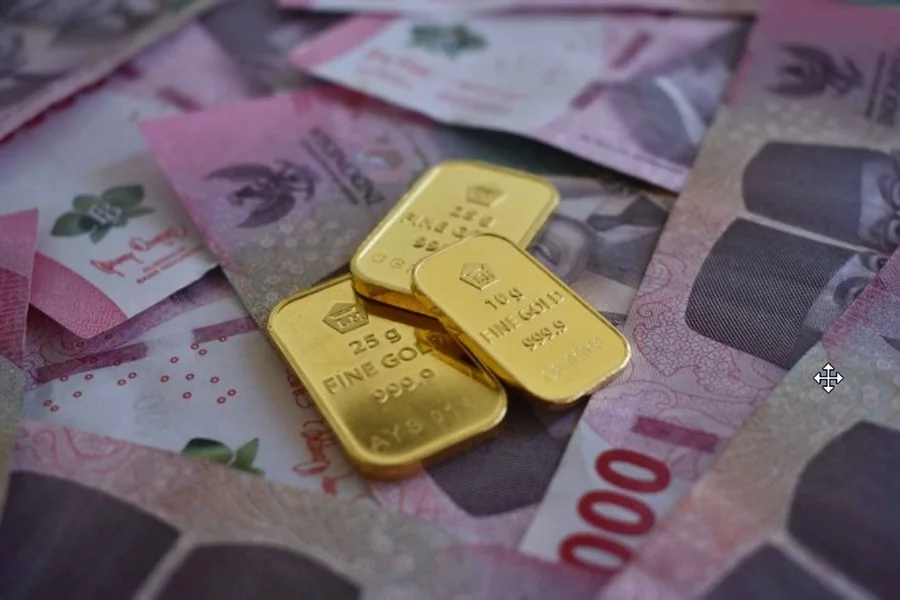
Selling gold in Singapore involves more than checking the latest market price and accepting the first offer. Whether you have old jewellery, unused gold accessories, coins or investment bars, the amount you receive depends on several factors, including purity, weight, condition and the buyer’s pricing policy.
Different gold buyers may also use different assessment methods and offer different rates. Understanding how the process works helps you compare quotations, avoid unexpected deductions and decide whether an offer reflects a fair value for your items. Those looking to sell or purchase gold can explore Buy & Sell Gold At The Latest Gold Price with Maxi-Cash Singapore for more information.
Where Can You Sell Gold in Singapore?
There are several types of businesses in Singapore that purchase gold from individuals. The most suitable option depends on what you intend to sell and how you want the transaction handled.
Jewellery shops are one option, particularly those that offer gold buyback services. Some accept jewellery originally purchased from their own stores, while others assess items from different retailers. Their offers usually depend on the gold content and the current buying rate.
Specialist gold dealers and bullion merchants are worth considering if you have investment products such as gold bars and coins. These businesses generally have experience assessing bullion products and may offer rates based on prevailing market prices, subject to their own premiums and conditions.
Pawnshops also provide another route. They may purchase gold outright or offer a pawnbroking arrangement in which an item is used as security for a loan. These are different transactions, so it is important to understand whether the business is buying your gold permanently or offering a loan that must be repaid.
Some specialist precious-metal buyers focus on purchasing gold based on its metal value. Their assessment process may be suitable for damaged jewellery, outdated designs or pieces that are no longer wearable.
How Gold Buyers Determine the Value of Your Items
The amount offered for gold depends mainly on its purity and weight, alongside the buyer’s pricing policy. A piece made from 999 gold contains a higher proportion of pure gold than an item made from 916 or 750 gold.
Gold buyers generally begin by identifying the item’s purity. Jewellery may carry a hallmark indicating its fineness, but buyers might still conduct additional tests to verify its composition. This is particularly relevant when markings are unclear, worn or missing.
Weight is another important factor. Once the buyer has assessed the gold content, the item’s weight helps determine its approximate metal value. However, the total weight of a jewellery piece does not always represent its gold weight. Gemstones, clasps and other non-gold components might need to be considered separately.
The prevailing gold market price also affects the quotation. Since gold prices fluctuate, an offer made today might differ from one provided a few days later.
What Happens During a Gold Assessment?
A typical gold-selling transaction starts with the buyer examining the item. They may check the hallmark, inspect its appearance and use testing equipment to assess the metal’s purity.
Depending on the item, the buyer might use electronic testing equipment, acid testing or other methods. Some tests involve contact with the jewellery or a small surface sample, so it is reasonable to ask how the assessment will be carried out before agreeing.
The item is then weighed, and the buyer calculates an offer based on the estimated gold content and applicable buying rate. If the jewellery contains gemstones or other materials, ask whether these are included in the valuation or assessed separately.
You should receive a clear explanation of the quotation before deciding whether to proceed. If the buyer cannot explain the purity assessment, weight calculation or deductions, consider obtaining another opinion.
Why the Offer Might Be Lower Than the Original Purchase Price
One common surprise for people selling jewellery is discovering that the resale offer is significantly lower than the amount originally paid.
Retail jewellery prices include more than the value of the gold. Design, workmanship, branding, manufacturing, retail expenses and other charges contribute to the purchase price. These costs are not necessarily recovered when the item is resold.
Gemstones can also affect expectations. Diamonds and other precious stones do not automatically receive an additional payment in every gold-buying transaction. Some buyers focus mainly on the gold, while others assess stones separately.
Before accepting an offer, ask whether the buyer is valuing the item as jewellery, a resale product or scrap gold. The distinction helps explain how the quotation was calculated.
How to Compare Gold-Buying Offers
Getting quotations from more than one buyer is a practical way to understand the market value of your gold. Even when businesses use similar market references, their buying rates, margins and deductions can differ.
For a useful comparison, provide each buyer with accurate information about the item’s weight and stated purity. Ask whether the quoted amount is based on the current gold price and whether any testing, handling or processing charges will be deducted.
What to Check Before Accepting an Offer
A gold buyer should be willing to explain its assessment process and payment terms. Before handing over your items, confirm how the business checks purity, measures weight and calculates the final offer.
Ask whether testing could affect the appearance or condition of your jewellery. If an item has sentimental or resale value beyond its metal content, this is particularly important.
You should also understand the payment method and any documentation required. Depending on the business and transaction, identification or customer records might be requested. Keep a receipt or transaction record showing the items sold, the agreed amount and the payment details.
Avoid rushing into a sale simply because a buyer describes its offer as time-sensitive. Take the opportunity to compare quotations and ask questions before making a decision.
Should You Sell Jewellery, Coins or Gold Bars?
The type of gold you own affects which buyer is most suitable.
Jewellery is often assessed according to purity and gold weight, particularly when it is damaged, outdated or difficult to resell in its original form. Items with valuable gemstones or distinctive designs might require a buyer who can assess those features separately.
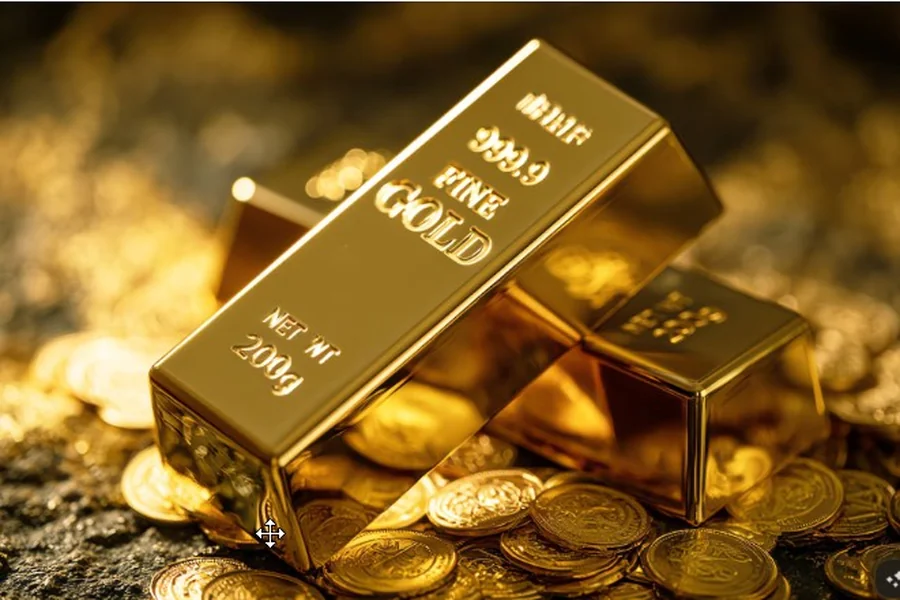
Gold bars and coins are different because they are often purchased as investment products. Buyers may consider their weight, purity, brand, condition, packaging and supporting documentation. Recognised bullion products with intact packaging and certificates might be easier for specialist dealers to assess.
If you have investment-grade gold, consider approaching a bullion merchant alongside general jewellery buyers. Their experience with bars and coins may provide a more relevant quotation.
Final Thoughts
Selling gold in Singapore becomes easier when you understand how buyers assess purity, weight and market value. The amount offered depends on the type of item, its gold content and the buyer’s pricing policy, so the first quotation is not necessarily the most suitable one.
Take time to compare offers, ask how deductions are calculated and make sure the payment terms are clear. Whether you are selling old jewellery or investment bullion, a transparent assessment process helps you make a more informed decision and avoid accepting an offer without understanding its value.