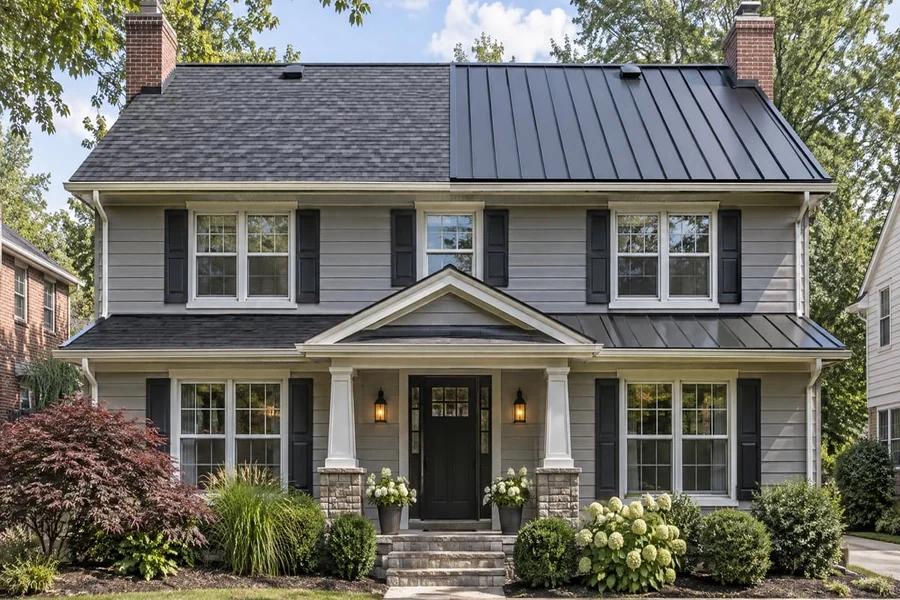
When a roof reaches the end of its life, most homeowners end up weighing the same two options: asphalt shingles or metal. Asphalt is the familiar choice on most streets. Metal has grown more popular, helped by better styles and a reputation for durability.
Neither is automatically the better roof. The right choice depends on your budget, how long you plan to stay in the house, your local weather, and what you want the home to look like. It also helps to see how local roofers describe each option for this climate, and browsing a regional contractor resource like the hof roofing website can give you a feel for the materials commonly installed on homes similar to yours.
Below is a side-by-side look at the factors that matter most.
Upfront Cost
This is where asphalt has a clear advantage. Asphalt shingles are less expensive to buy and faster to install. Nearly every roofing crew installs them, so labor is widely available.
Metal roofing costs more upfront, often significantly more. The material itself is pricier, and installation requires specialized tools, training, and more time, particularly for standing seam systems with concealed fasteners.
Prices vary widely by region, roof size, pitch, and product line, so the only reliable numbers are the ones in written quotes for your specific home.
Lifespan
Metal generally outlasts asphalt. A quality metal roof that is properly installed can last for decades longer than a typical shingle roof, and many manufacturers back their metal products with long warranties.
Asphalt shingle lifespan depends heavily on the product tier, attic ventilation, installation quality, and climate. Basic three-tab shingles tend to have the shortest life. Architectural (dimensional) shingles are thicker and usually last longer. Premium designer lines can last longer still.
The practical question is how long you will own the home. If you plan to stay 30 years or more, metal’s longer life may offset its higher cost. If you might move in 7 to 10 years, you may not see that payoff yourself.
Weather Performance
Both materials can handle tough weather when installed correctly, but they behave differently.
Wind
Modern architectural shingles are rated for high winds when installed to the manufacturer’s specifications. Standing seam metal panels interlock and are fastened to the deck in a way that resists uplift well, which makes metal a strong performer in high-wind areas.
Snow and Ice
Snow tends to slide off metal roofs, which reduces the weight that sits on the roof. That is a plus in places with heavy winter snow, such as the lake-effect belts of the Great Lakes region. The downside is that sliding snow can come off all at once, so snow guards are often recommended above doorways, walkways, and driveways.
Asphalt holds snow longer. That means attic insulation and ventilation matter more for preventing ice dams.
Hail
Hail is where expectations need some care. Metal is unlikely to be punctured by typical hail, but it can dent, and dents are often treated as cosmetic damage by insurers. Asphalt shingles can crack or lose granules from hail impact. Both materials are available in impact-resistant versions rated to industry standards, and some insurers offer discounts for them.
The Noise Myth
Many people picture a metal roof sounding like a tin shed in a rainstorm. On a modern home, that is usually not the case.
Residential metal roofs are typically installed over solid roof decking with underlayment, and there is an insulated attic between the roof and your living space. Those layers absorb much of the sound. Some homeowners notice a slightly different sound during heavy rain or hail, but it is rarely the drumming people expect. Asphalt shingles are naturally quiet because of their mass and texture.
Energy Efficiency
Metal roofing reflects more solar heat than standard dark shingles, especially in lighter colors or with reflective factory coatings. In hot, sunny weather, this can reduce how much heat builds up in the attic and lower cooling demand.
Asphalt shingles absorb more heat, though some manufacturers offer reflective “cool roof” shingle lines.
In a climate with cold winters and humid summers, the energy difference between the two is often smaller than marketing suggests. Attic insulation and ventilation typically have a bigger effect on your heating and cooling bills than the roofing material alone.
Appearance and Style
Asphalt shingles offer a wide range of colors and textures. Architectural shingles add depth and shadow lines, and designer shingles can mimic slate or wood shake. They suit nearly every style of home, from colonials to ranches.
Metal has expanded well beyond barn-style panels. Options include:
– Standing seam panels with clean vertical lines, popular on modern farmhouse and contemporary homes
– Metal shingles stamped to resemble slate, shake, or tile
– A broad palette of factory-applied colors
Some neighborhoods and homeowner associations have rules about roofing materials, so check before you commit to metal.
Resale Value
A newer roof of either type is a selling point because buyers know they will not face a replacement soon. Metal may appeal to buyers who value durability and long-term savings. But in neighborhoods where nearly every home has shingles, buyers may not pay a premium for metal, and a standout look can narrow your buyer pool.
If resale is a major factor, look at what is common on comparable homes nearby and talk with a local real estate agent.
Maintenance and Repairs
Asphalt roofs are easy and relatively inexpensive to repair. A few damaged shingles can usually be replaced without much fuss, and nearly every roofer can do it.
Metal roofs need less routine maintenance, but repairs can be more involved. Matching panels, fixing seams, or replacing damaged sections often requires a contractor who specializes in metal. Exposed-fastener metal roofs also need periodic checks, since screws and washers can loosen or wear over time.
Who Each Option Is Best For
**Asphalt shingles are often the better fit if you:**
– Want the lowest upfront cost
– May sell the home within the next decade or so
– Prefer a traditional look that matches the neighborhood
– Want easy, widely available repairs
**Metal roofing is often the better fit if you:**
– Plan to stay in the home long term
– Can handle a higher upfront investment
– Live where heavy snow or high winds are common
– Like a modern or farmhouse look
– Want a roof that needs less frequent replacement
Making the Call
Choosing between asphalt and metal comes down to tradeoffs, not a single right answer. Start with your budget and how long you will live in the house, then factor in weather, style, and neighborhood norms. Get written quotes for both options if you are seriously considering metal, ask each contractor about their experience with that specific material, and make sure the warranty terms are clear. With that information side by side, the better roof for your home usually becomes obvious.