Ensuring the safety, efficiency, and structural integrity of a heating system is a vital responsibility for property owners throughout the bustling boroughs and surrounding neighborhoods of New York. As homes age and heating appliances face the heavy demands of freezing winters, the internal components of the chimney system endure significant wear and tear. Among these critical components, the flue liner plays a central role in directing combustion byproducts safely out of the building. When this internal barrier degrades, cracks, or deteriorates, investing in professional upgrades becomes essential for safeguarding the entire property.
Understanding the Role of the Flue Liner
The flue liner acts as a protective shield on the inside of the chimney stack. Its primary purpose is to contain hot combustion gases, smoke, creosote, and toxic carbon monoxide, preventing them from penetrating the surrounding walls, framing, and insulation of the building. Without a sound liner, extreme heat from a fireplace, furnace, or boiler can transfer directly to nearby wooden structures, dramatically increasing the risk of accidental fires.
Over decades of use, thermal shock, moisture exposure, and corrosive chemical residues from burning fuels cause traditional clay tile liners to crack, spall, or collapse. Older buildings frequently lack proper lining altogether, leaving structural brickwork directly exposed to destructive heat and acidic byproducts. Recognizing these vulnerabilities early allows property owners to address potential hazards before they escalate into dangerous and costly emergencies.
Chimney Liner Installation In NYC: This is Why Upgrading Your System Matters
So, if you made it this far in our chimney liner installation article, you probably know by now that maintaining a secure ventilation pathway impacts far more than just fire safety. A properly sized and intact flue liner optimizes the draft of your heating appliance, ensuring that smoke and gases exit smoothly without spilling back into living spaces. Poor drafting leads to inefficient fuel combustion, increased heating costs, and an uncomfortable indoor environment filled with smoke odors.
Furthermore, building codes and insurance regulations strictly govern heating system safety standards. Properties with damaged, unlined, or deteriorating flues often fail safety inspections during real estate transactions or routine municipal reviews. Upgrading to modern materials brings older systems up to current code compliance, enhances overall energy efficiency, and provides long-term peace of mind for everyone residing under the roof.
Modern Solutions and Materials
Advancements in heating technology have introduced durable, highly efficient materials designed to replace aging clay tiles. Professional technicians typically rely on high-grade stainless steel systems or specialized cast-in-place insulating mortar solutions.
Stainless steel systems offer exceptional versatility and durability. They can be installed smoothly into rectangular, square, or even offset flues without requiring destructive demolition of the existing masonry. These flexible or rigid metal tubes resist corrosion, withstand extreme temperatures, and provide a smooth surface that minimizes creosote buildup. Cast-in-place solutions, on the other hand, create a seamless, insulated concrete structure inside the chimney, reinforcing weak brickwork while providing superior thermal performance for high-output appliances.
The Professional Installation Process
Executing a seamless upgrade requires specialized training, precise measurements, and adherence to strict safety protocols. Certified technicians begin the project with a thorough video inspection of the entire flue interior. This detailed assessment identifies structural damage, blockages, and exact dimensions to ensure the replacement component matches the specific heating appliance connected to it.
The installation procedure generally involves the following critical phases:
- Comprehensive interior cleaning to remove soot, creosote, and debris
- Removal of damaged clay tiles or obstructions when necessary
- Careful positioning and securing of the new stainless steel liner or casting system
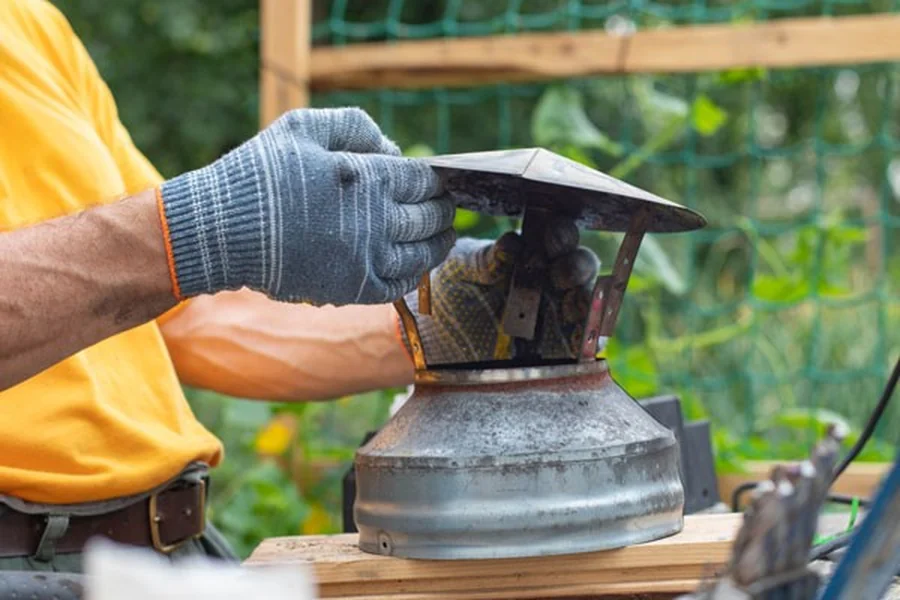
- Installation of top-sealing components, professional rain caps, and secure flashings
- Rigorous safety testing to verify proper draft, airtight seals, and code compliance
Attempting to handle these technical upgrades without professional expertise often results in improper sizing, hazardous gaps, and severe drafting failures. Relying on experienced specialists guarantees that every step meets rigorous industry standards.
Protecting Property Against Regional Weather Challenges
The local climate introduces severe environmental stresses that impact exterior masonry and interior components alike. Freezing temperatures combined with driving rain and high humidity cause moisture to penetrate porous brick and mortar joints. When water freezes inside the chimney, it expands and exerts immense pressure, accelerating the breakdown of both the outer structure and interior flues.
Pairing a new installation with professional exterior waterproofing treatments and durable chimney caps prevents moisture intrusion from above and the sides. Keeping water out of the system stops premature corrosion of metal components and preserves the structural lifespan of the entire assembly for decades to come.
Long-Term Maintenance and Care
Once a modern protective system is securely in place, routine care ensures it continues operating at peak efficiency. Annual professional cleanings and safety checks prevent the accumulation of combustible residues and catch minor issues before they require major intervention. Property owners who stay proactive with maintenance protect their investment, ensure optimal indoor air quality, and enjoy a warm, worry-free heating season year after year.